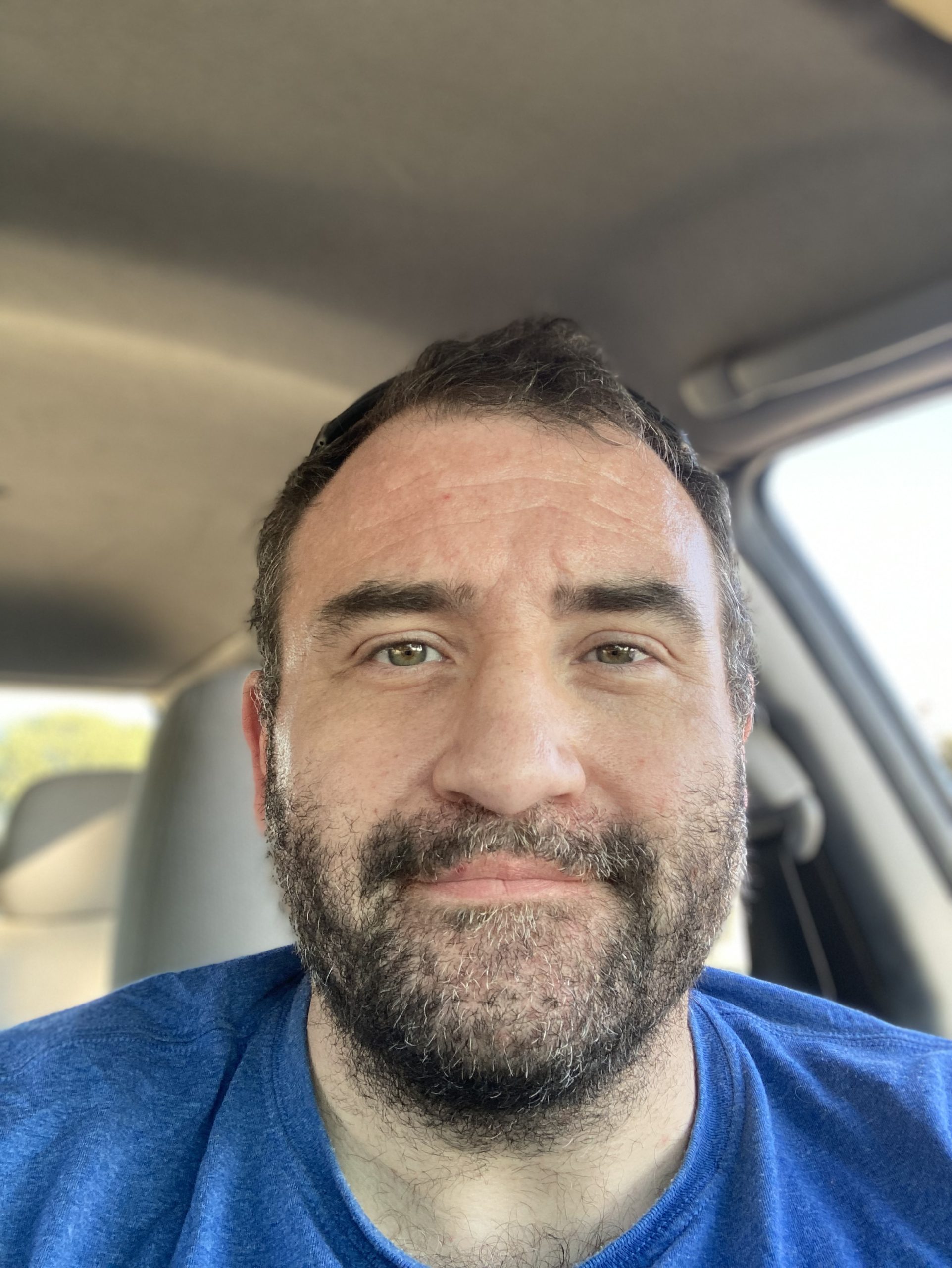
Michael
Founder & Advocate
When Everything Almost Ended
There's a moment that changes everything—a moment when the systems meant to protect us become the very forces that threaten our existence. For me, that moment came when my psychiatrist left for vacation without ensuring continuity of my medication. What followed was a cascade that nearly cost me my life.
As my mental state deteriorated without proper medication management, I found myself in crisis. But instead of receiving compassionate care, I was met with something far more dangerous: stigma weaponized by those in positions of power. Law enforcement, poorly trained in mental health response and guided by prejudice rather than protocol, responded to my crisis with force rather than understanding.
The discrimination I faced at the hands of those sworn to protect nearly killed me. Not from my mental health condition—but from the systemic failure to see me as human. In that moment, I was not a person in crisis deserving of help. I was a threat to be neutralized, a label to be feared, a stigma to be contained.
The stigma didn't just hurt—it nearly killed me. Not my illness, but the world's response to it.
The Silent Killer
In the aftermath, as I slowly pieced myself back together, a truth crystallized with painful clarity: stigma is a silent killer. It doesn't appear in medical reports or death certificates. It doesn't leave visible scars. But it destroys lives just as surely as any disease.
I saw it in the doctor who dismissed my concerns. In the officers who saw a diagnosis instead of a person. In the friends who quietly disappeared. In the employers who found reasons to let me go. In the family members who spoke in whispers about "the situation."
Stigma creates a world where seeking help becomes an act of courage rather than common sense. Where disclosure means risking everything—your job, your relationships, your safety, your very life. Where people suffer in silence because the alternative seems worse.
I realized that while I had survived the immediate crisis, millions of others were fighting the same battle every single day. Some would not survive—not because effective treatments don't exist, but because stigma, discrimination, and systemic failures stand between them and the help they need.
The Birth of PneumaPsyche
From the depths of that experience, a purpose emerged. If stigma could be so powerful in its destruction, perhaps understanding could be equally powerful in its healing. If discrimination could weaponize systems against the vulnerable, perhaps advocacy could transform those same systems into forces for good.
PneumaPsyche was born—an enterprise against stigma and hate. Not just a website or a resource hub, but a movement. A declaration that mental health challenges don't diminish our humanity; they're part of it. That lived experience isn't a weakness to hide but wisdom to share. That every person deserves to be seen, heard, and helped without fear of judgment or harm.
The name itself carries intention: Pneuma—breath, spirit, the essence of life. Psyche—the soul, the mind, our innermost selves. Together, they represent what we fight for: the recognition that mental health is inseparable from our humanity, that caring for the mind is as essential as drawing breath.
What nearly destroyed me became the foundation for something that could help save others.
Today, PneumaPsyche stands as a testament to what's possible when pain transforms into purpose. We provide resources to those seeking help, community to those feeling alone, and a voice to those who have been silenced. We work to change not just individual minds, but the systems and structures that perpetuate harm.
This is more than my story. It's becoming our story—a collective movement of people who believe that mental health care should be a right, not a privilege. That compassion should be the default, not the exception. That no one should ever face what I faced, alone and afraid, at the mercy of a system that saw a label instead of a life.